IranSTO

Mojtaba Khamenei Supreme Leader and the architecture of power inside the Islamic Republic

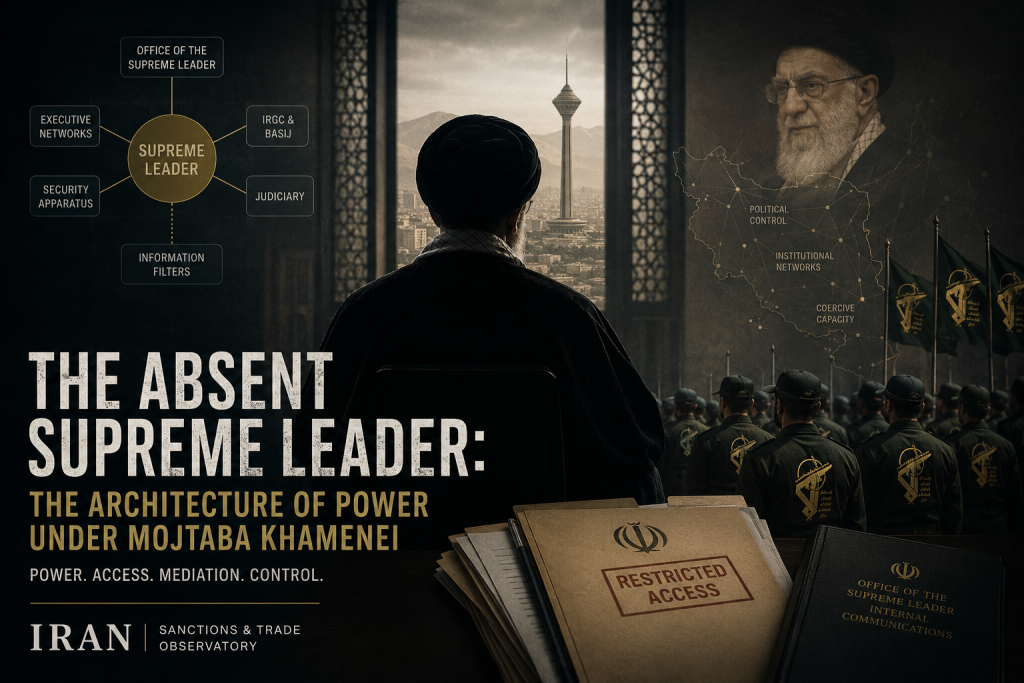
The Absent Supreme Leader: The Architecture of Power Under Mojtaba Khamenei

Introduction: The Leadership Changed. The Machinery Did Not Stop.   On 8 March 2026, Mojtaba Khamenei became Supreme Leader of the Islamic Republic, formally placing him at the apex of a political system whose constitution concentrates extraordinary military, political and institutional authority in the office of the Leader. For years, the central question surrounding Ali […]

The Absent Supreme Leader: The Architecture of Power Under Mojtaba Khamenei Read More »

Vahid Haghanian and the executive architecture of the Office of the Supreme Leader

The Invisible Executive: Vahid Haghanian and the Executive Architecture of the Office of the Supreme Leader

Introduction Vahid Haghanian’s role within the executive architecture of the Office of the Supreme Leader cannot be understood through biography alone. His significance lies not in the offices he formally occupied, but in the executive functions he performed inside one of the Islamic Republic’s most opaque institutions. Every political system relies upon an institutional mechanism

The Invisible Executive: Vahid Haghanian and the Executive Architecture of the Office of the Supreme Leader Read More »

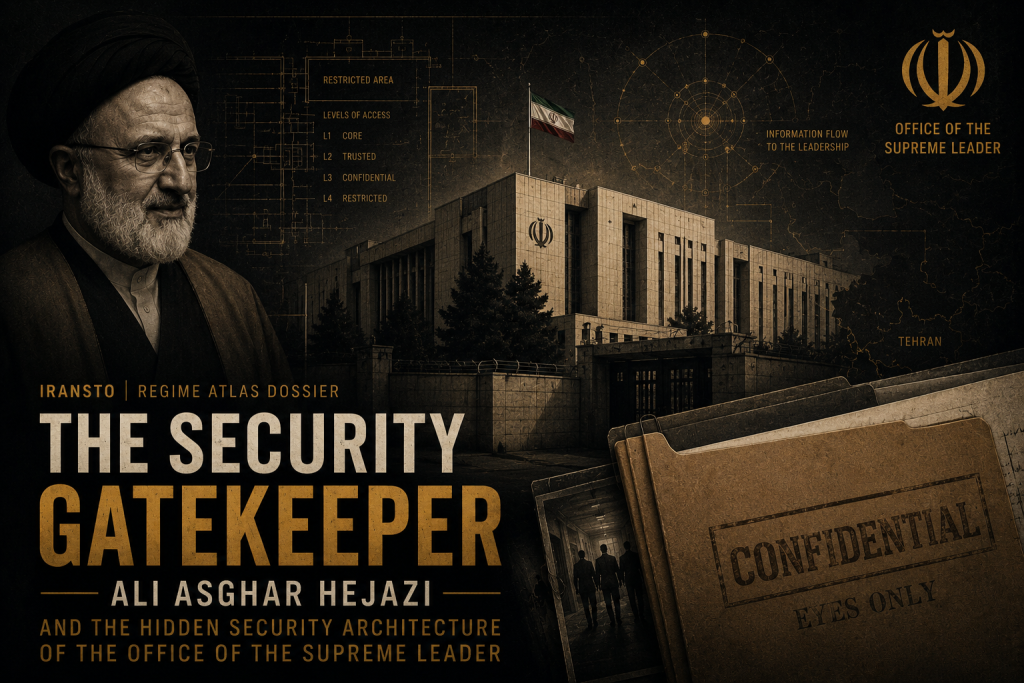
Ali Asghar Hejazi and the hidden security architecture of the Office of the Supreme Leader

The Security Gatekeeper: Ali Asghar Hejazi and the Hidden Security Architecture of the Office of the Supreme Leader

Introduction   The Security Architecture of the Office of the Supreme Leader has received remarkably little scholarly attention despite occupying one of the most strategically important positions within the political system of the Islamic Republic. Political systems are usually analysed through the people who stand in front of them. Presidents deliver speeches, ministers announce policy,

The Security Gatekeeper: Ali Asghar Hejazi and the Hidden Security Architecture of the Office of the Supreme Leader Read More »

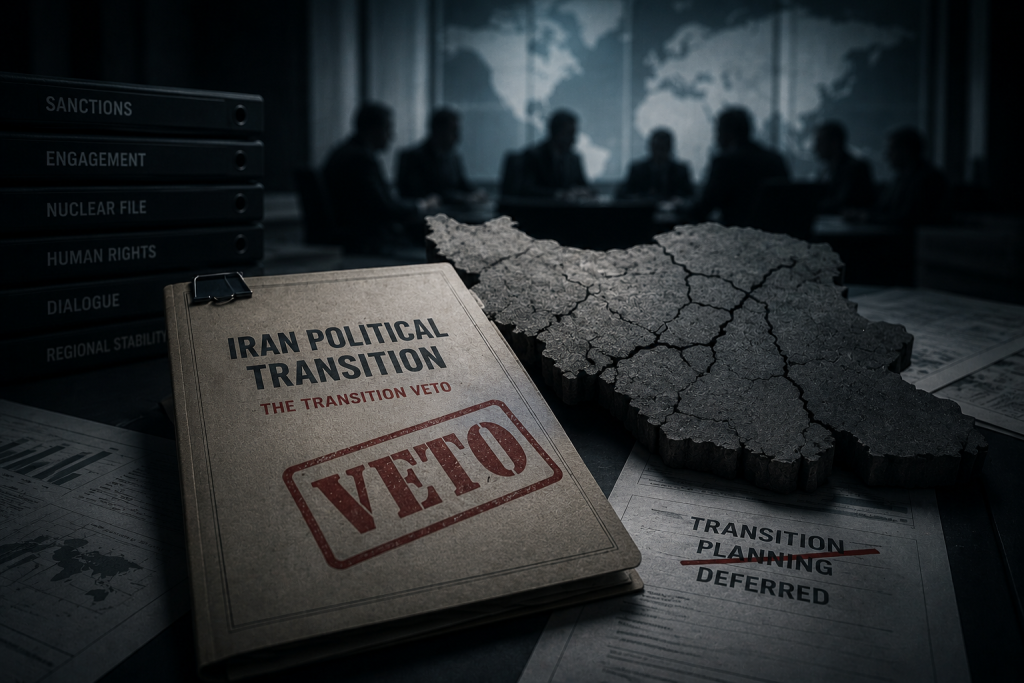
The Transition Veto concept illustrating Iran political transition blocked by international policy, featuring a veto-stamped transition dossier and a fractured map of Iran.

The Transition Veto

How Foreign Governments Keep Iran’s Political Future in Permanent Suspension   Introduction The Transition Veto describes a recurring pattern in international policy towards Iran. If January 2026 did not fundamentally change the way foreign governments approached the Islamic Republic, it is reasonable to ask what possibly could. That question lies at the heart of this

The Transition Veto Read More »

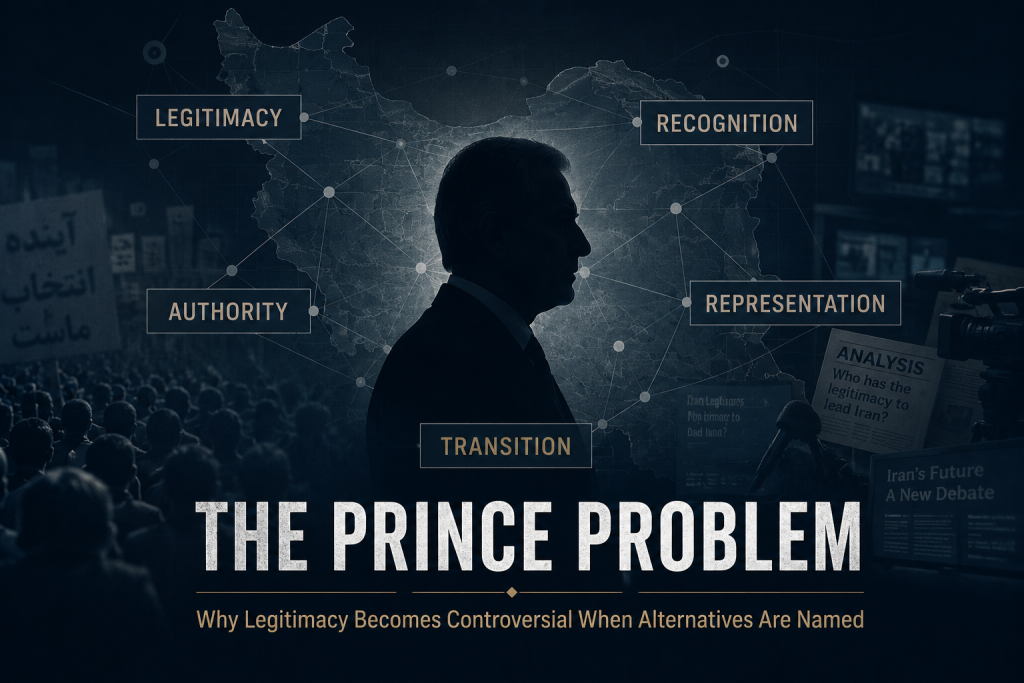
Conceptual illustration of Reza Pahlavi in silhouette against a faded map of Iran, surrounded by a network labelled legitimacy, authority, recognition, representation and transition.

The Prince Problem

Why Legitimacy Becomes Controversial When Alternatives Are Named   Introduction The Moment Transition Becomes Personal Reza Pahlavi legitimacy has become one of the most disputed subjects in discussions about Iran’s future. This is not because Iranians agree on him. It is because they do not. Few political figures generate comparable levels of support, opposition, scrutiny

The Prince Problem Read More »

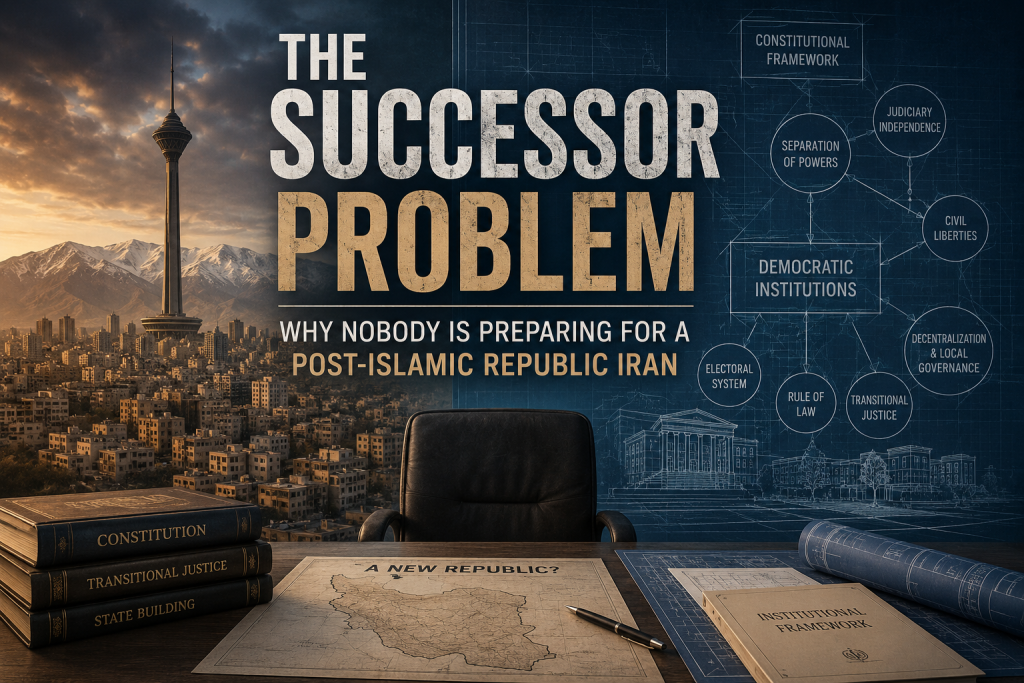
Conceptual illustration of a post-Islamic Republic Iran, showing Tehran alongside institutional blueprints, constitutional frameworks and transition planning concepts featured in The Successor Problem investigation by IranSTO.

The Successor Problem: Why Nobody Is Preparing for a Post-Islamic Republic Iran

Introduction: For more than four decades, the Islamic Republic has occupied a central position in international policy discussions. Governments negotiate with it. Intelligence agencies monitor it. Sanctions target it. Human rights organisations document its abuses. Think tanks analyse its behaviour. Universities study its political structure. Journalists report on its crises. Entire professional ecosystems have emerged

The Successor Problem: Why Nobody Is Preparing for a Post-Islamic Republic Iran Read More »

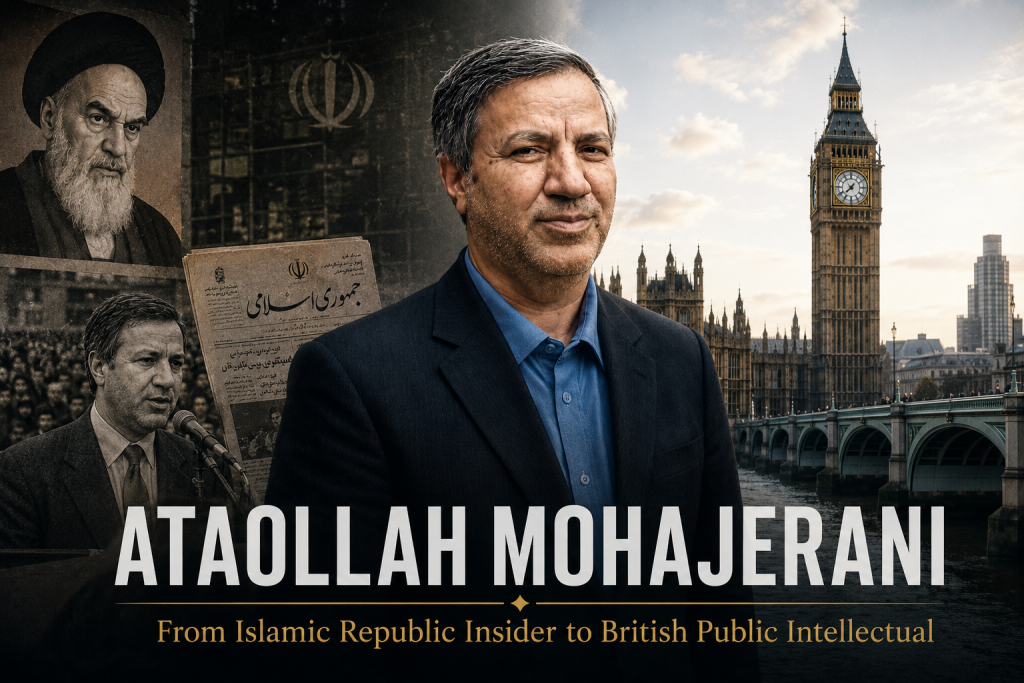
Ataollah Mohajerani featured in an IranSTO investigation examining his transition from Islamic Republic insider to British public intellectual and his role in legitimacy networks surrounding Iran.

Ataollah Mohajerani: From Islamic Republic Insider to British Public Intellectual

How Political Authority Built Inside the Islamic Republic Acquired a Second Life in Britain   Introduction: The Narrative Problem The survival of authoritarian systems is often explained through the language of force. Observers point to security services, prisons, intelligence agencies, censorship mechanisms and political repression. These instruments matter. The Islamic Republic has relied upon all

Ataollah Mohajerani: From Islamic Republic Insider to British Public Intellectual Read More »

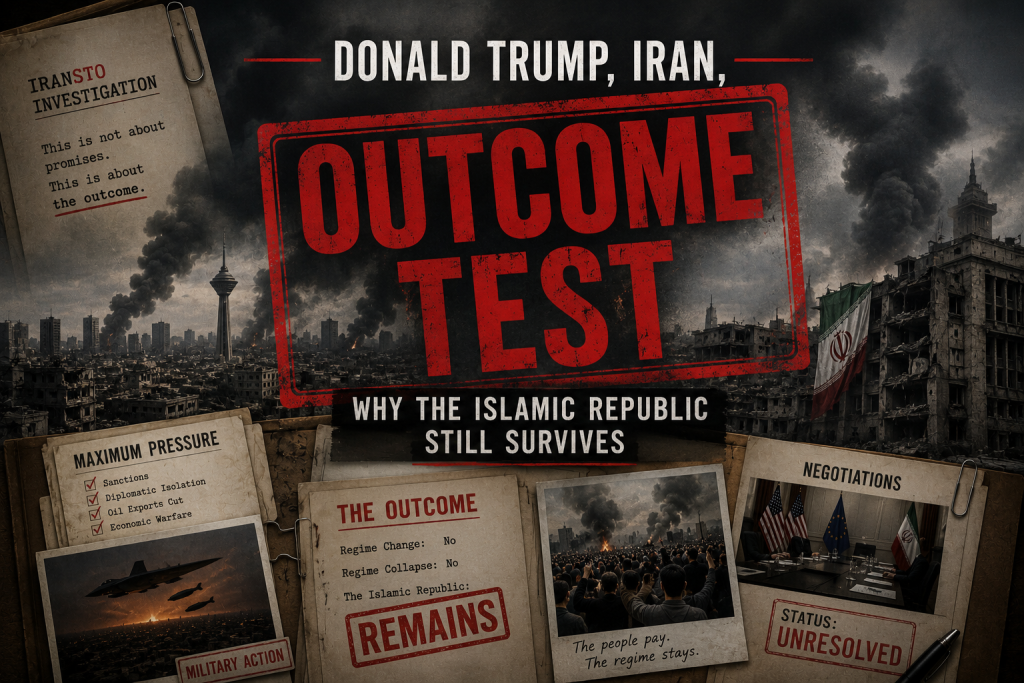
Donald Trump, Iran and the outcome test after Maximum Pressure, war, ceasefires and negotiations in 2026

Donald Trump, Iran, and the Outcome Test Why the Islamic Republic Still Survives

Introduction Trump’s Iran Policy. Donald Trump built his political case on a simple accusation: America’s Iran policy had failed. Barack Obama had failed. Joe Biden had failed. Diplomacy had failed. Negotiations had failed. Accommodation had failed. Again and again, Trump presented himself as the alternative. He promised strength where others had shown weakness. Pressure where

Donald Trump, Iran, and the Outcome Test Why the Islamic Republic Still Survives Read More »

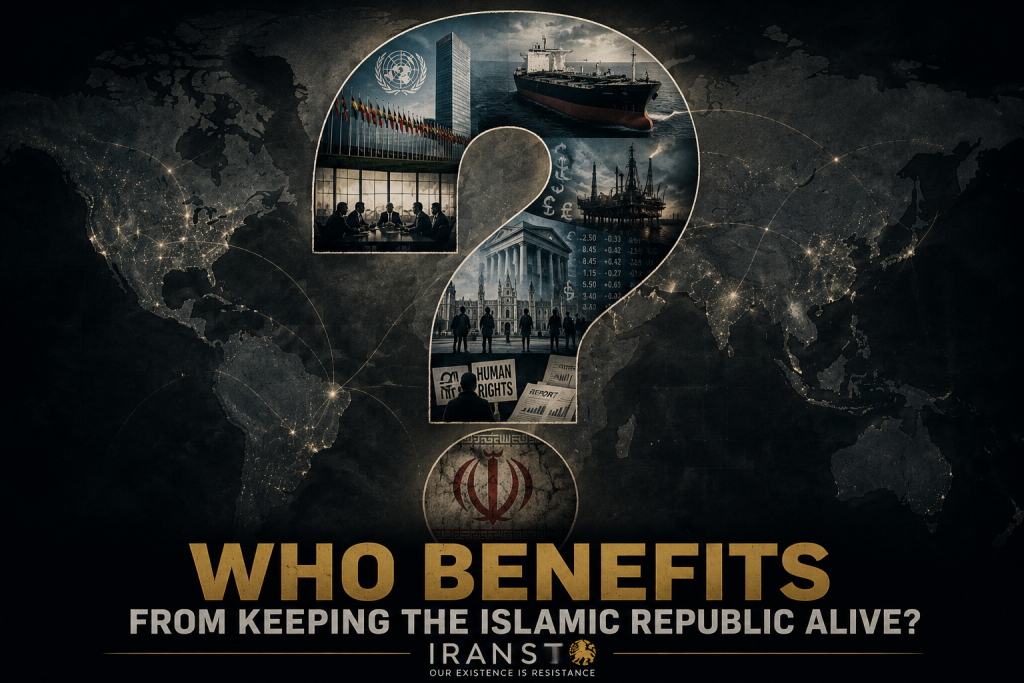
Who Benefits From Keeping the Islamic Republic Alive? Global question mark showing diplomacy, sanctions, security and human rights institutions linked to regime survival

Who Benefits From Keeping the Islamic Republic Alive? The International Incentive Structure Behind Regime Survival

Introduction   Who benefits from keeping the Islamic Republic alive? For decades, discussions about the Islamic Republic have revolved around a familiar question: Why does the regime survive? The answers usually focus on internal factors. Repression. Ideology. Security institutions. Patronage networks. Control of information. Economic coercion. Political fragmentation among opponents. Each explanation contains an element

Who Benefits From Keeping the Islamic Republic Alive? The International Incentive Structure Behind Regime Survival Read More »