Iran

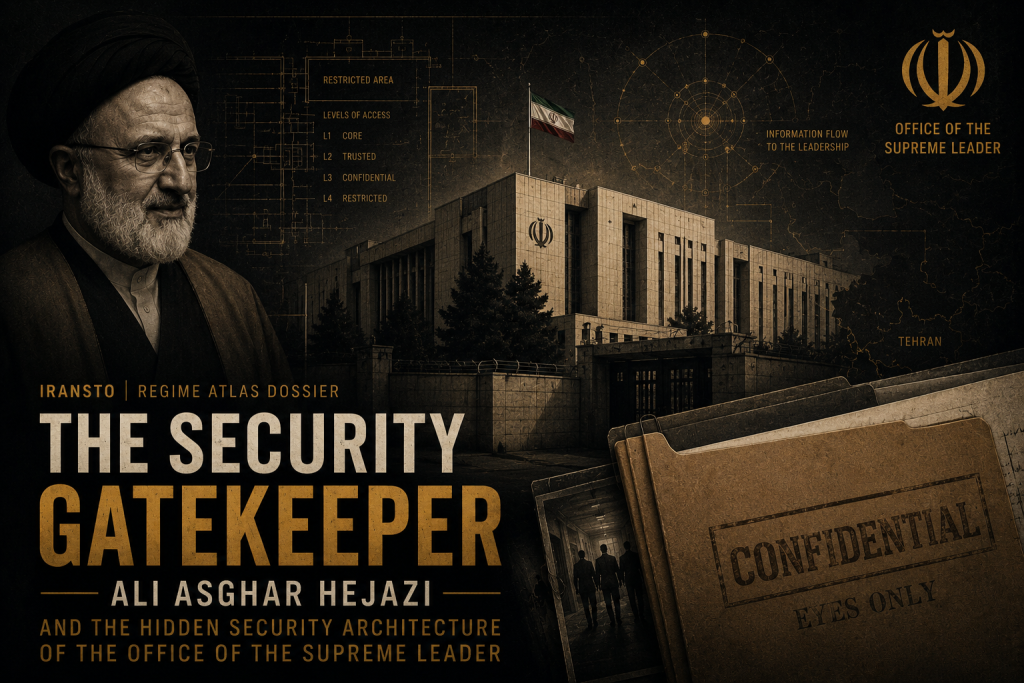
Ali Asghar Hejazi and the hidden security architecture of the Office of the Supreme Leader

The Security Gatekeeper: Ali Asghar Hejazi and the Hidden Security Architecture of the Office of the Supreme Leader

Introduction   The Security Architecture of the Office of the Supreme Leader has received remarkably little scholarly attention despite occupying one of the most strategically important positions within the political system of the Islamic Republic. Political systems are usually analysed through the people who stand in front of them. Presidents deliver speeches, ministers announce policy, […]
The Security Gatekeeper: Ali Asghar Hejazi and the Hidden Security Architecture of the Office of the Supreme Leader Read More »

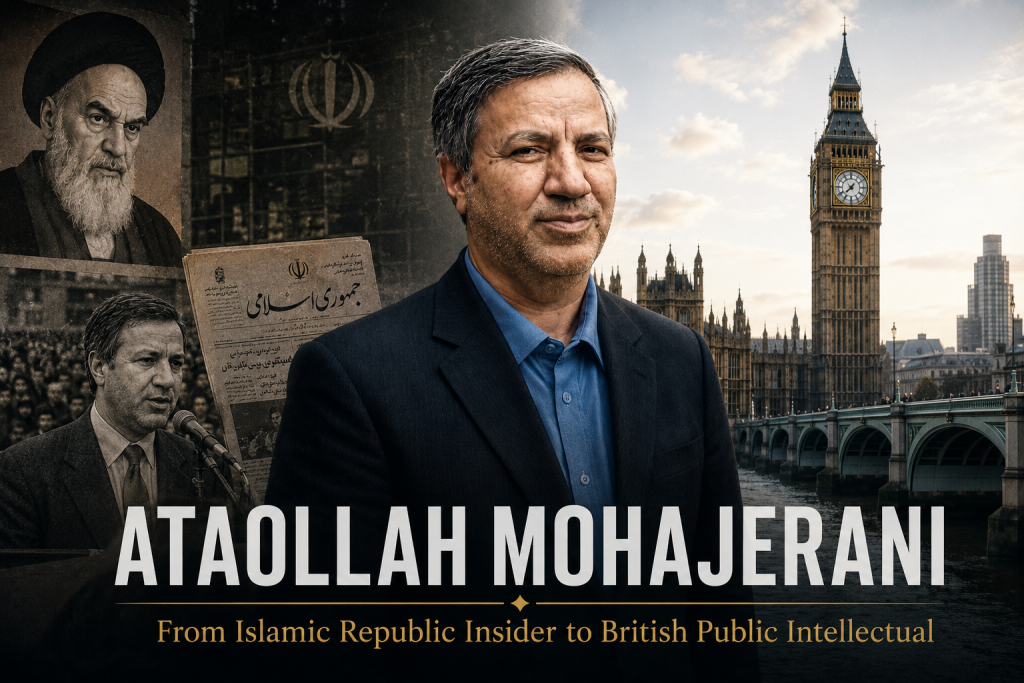
Ataollah Mohajerani featured in an IranSTO investigation examining his transition from Islamic Republic insider to British public intellectual and his role in legitimacy networks surrounding Iran.

Ataollah Mohajerani: From Islamic Republic Insider to British Public Intellectual

How Political Authority Built Inside the Islamic Republic Acquired a Second Life in Britain   Introduction: The Narrative Problem The survival of authoritarian systems is often explained through the language of force. Observers point to security services, prisons, intelligence agencies, censorship mechanisms and political repression. These instruments matter. The Islamic Republic has relied upon all

Ataollah Mohajerani: From Islamic Republic Insider to British Public Intellectual Read More »

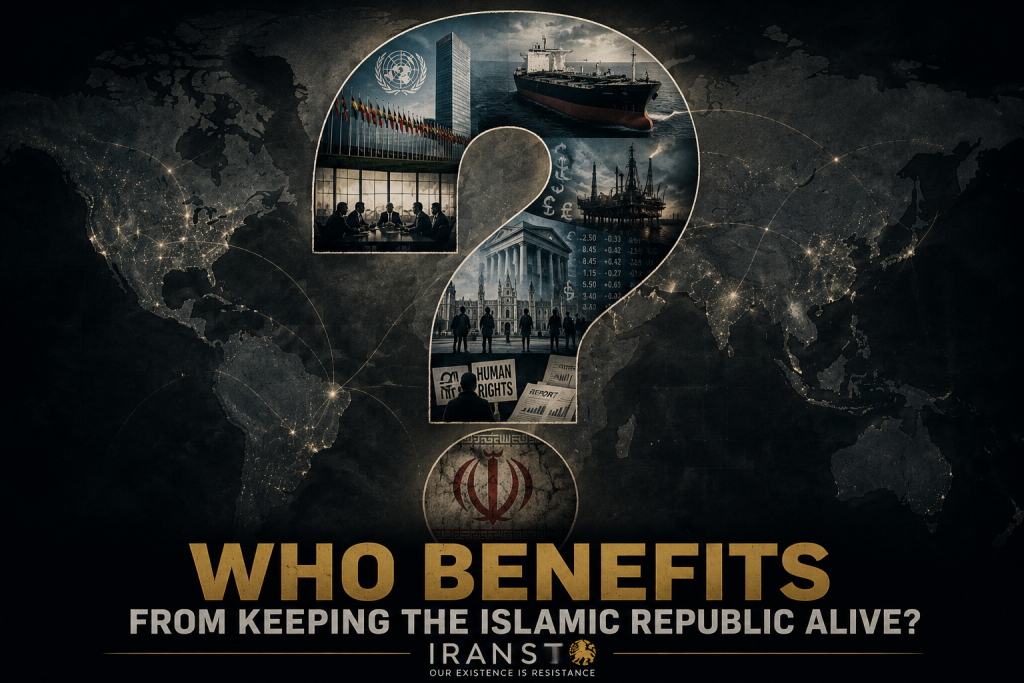
Who Benefits From Keeping the Islamic Republic Alive? Global question mark showing diplomacy, sanctions, security and human rights institutions linked to regime survival

Who Benefits From Keeping the Islamic Republic Alive? The International Incentive Structure Behind Regime Survival

Introduction   Who benefits from keeping the Islamic Republic alive? For decades, discussions about the Islamic Republic have revolved around a familiar question: Why does the regime survive? The answers usually focus on internal factors. Repression. Ideology. Security institutions. Patronage networks. Control of information. Economic coercion. Political fragmentation among opponents. Each explanation contains an element

Who Benefits From Keeping the Islamic Republic Alive? The International Incentive Structure Behind Regime Survival Read More »

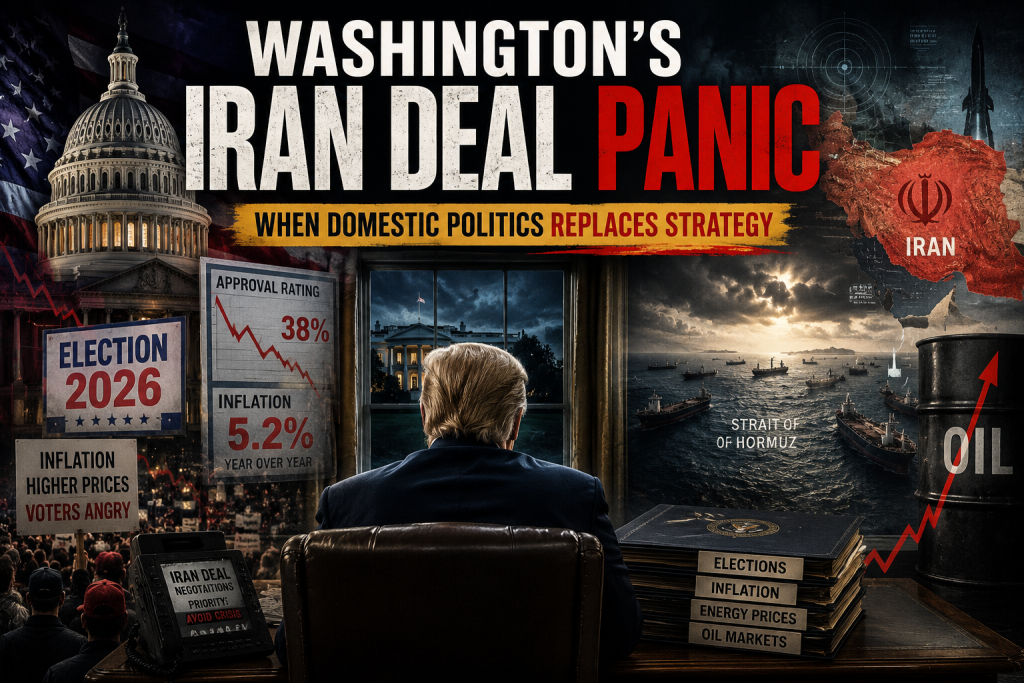
Political editorial graphic showing Washington, Iran, oil markets, the Strait of Hormuz, election pressure, inflation, and a leader facing strategic crisis.

Washington’s Iran Deal Panic: When Domestic Politics Replaces Strategy

Introduction Diplomacy or Damage Control?   Washington’s Iran Deal strategy is increasingly being presented as diplomacy. Yet behind the language of negotiation lies a growing effort to manage political risk rather than achieve strategic transformation. For months, political leaders, commentators and policy institutions across the West have framed negotiations with Tehran as a necessary mechanism

Washington’s Iran Deal Panic: When Domestic Politics Replaces Strategy Read More »

Tracing the Murky Maze: Illicit Financial Flows from Iran and the Conceptual Ambiguity of “Illicit”

Abstract: This paper examines the complexities of tracing illicit financial flows (IFFs) originating from Iran, particularly within the context of prolonged international sanctions. It highlights the challenges in defining and measuring IFFs, especially when activities reside in the gray areas between legality and ethical norms. The paper analyzes the mechanisms employed by Iranian actors to

Tracing the Murky Maze: Illicit Financial Flows from Iran and the Conceptual Ambiguity of “Illicit” Read More »